
Blog
A Steady Course in Unsteady Markets
Markets are down. Headlines are loud. The urge to do something — move to cash, wait for clarity, sidestep the noise — feels completely reasonable right now. But it might

Markets are down. Headlines are loud. The urge to do something — move to cash, wait for clarity, sidestep the noise — feels completely reasonable right now. But it might
For years, income-oriented investors have been given a clear directive: If you want income, maximize yield. So portfolios were built around yield targets. Funds were compared by distribution rates. Success
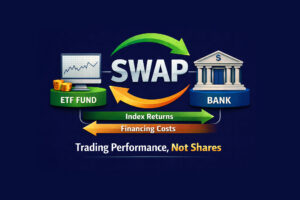
Exchange-traded funds (ETFs) are often described as simple vehicles: you buy a fund, and it owns assets on your behalf. In many cases, that’s true. But modern ETFs can also

For many income-focused investors, ETF distributions (also applies to Stocks) can feel like a reward — a check in your account just for holding shares. It’s tempting, then, to think
For years, passive ETFs dominated headlines and portfolios, offering broad exposure at rock-bottom costs. But in the past 24 months, something has shifted. Active ETFs have surged past $1.2 trillion
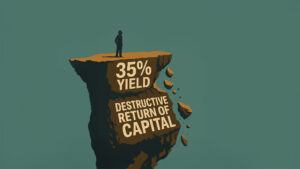
Imagine a fund that boasts a jaw-dropping 35% annual yield. Sounds like a dream come true, right? Who wouldn’t want their money to “work that hard?” But then you dig

Exchange-Traded Funds (ETFs) have become a cornerstone of modern investing, delivering broad diversification, liquid trading, cost-effective growth, and tax-efficiency. However, not all ETFs perform the same—and knowing how to evaluate

When it comes to income-focused ETFs, two critical rules shape how these funds operate—and understanding them is key to grasping the role of Return of Capital (ROC): Rule 19b-1: This

Exchange-traded funds (ETFs) are popular investment vehicles that offer flexibility, tax efficiency, and cost-effectiveness. However, the tax implications of different ETF strategies can vary significantly depending on whether the fund